
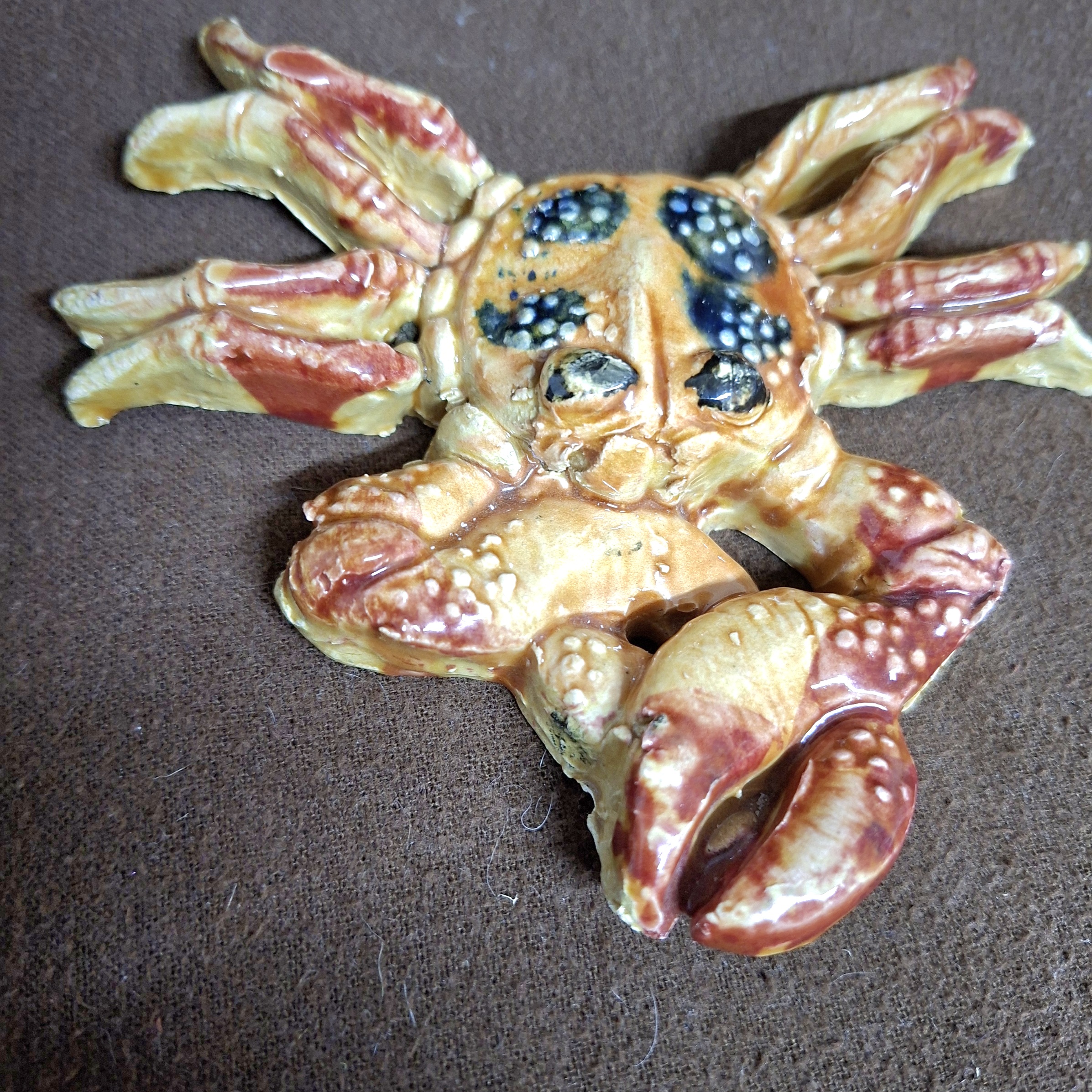
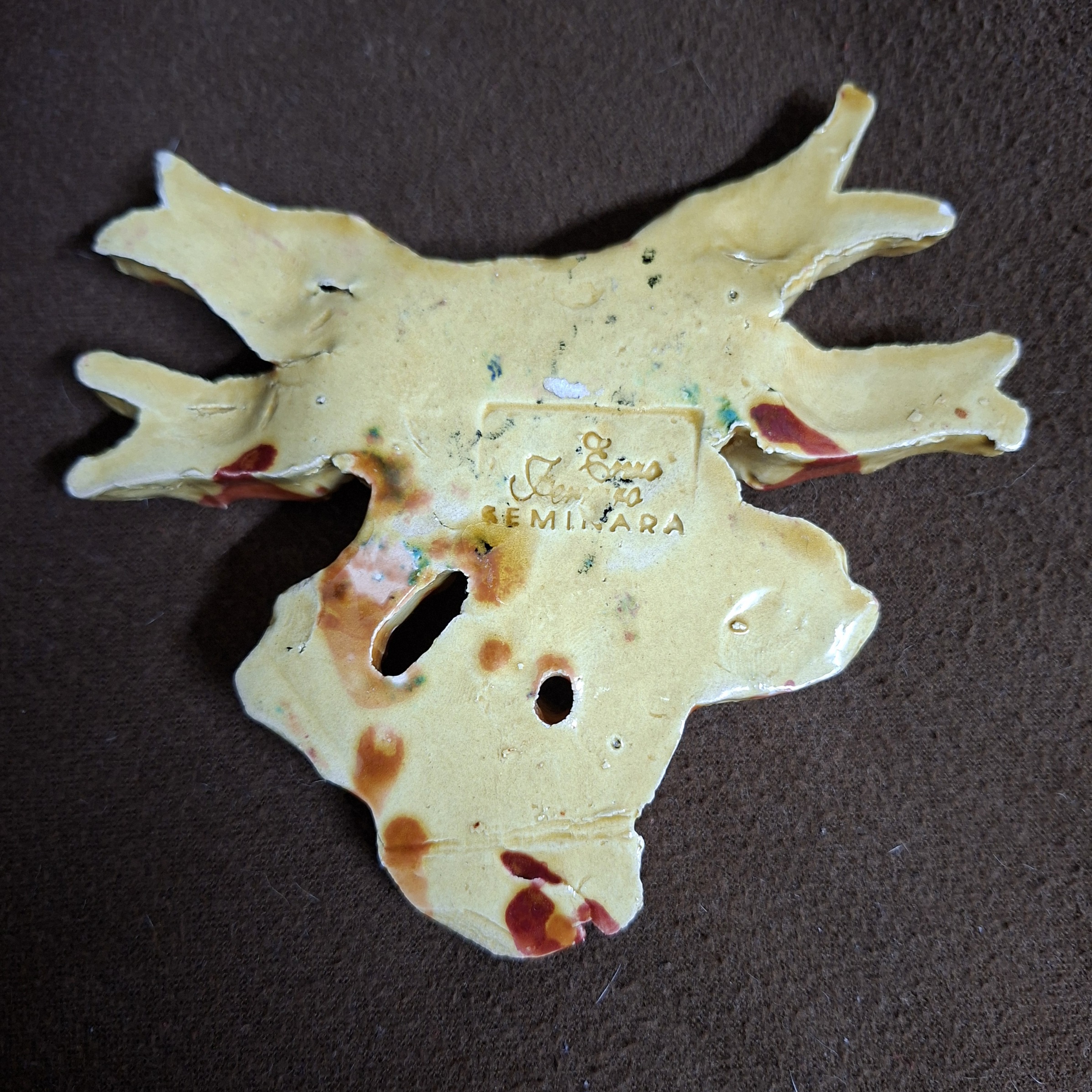
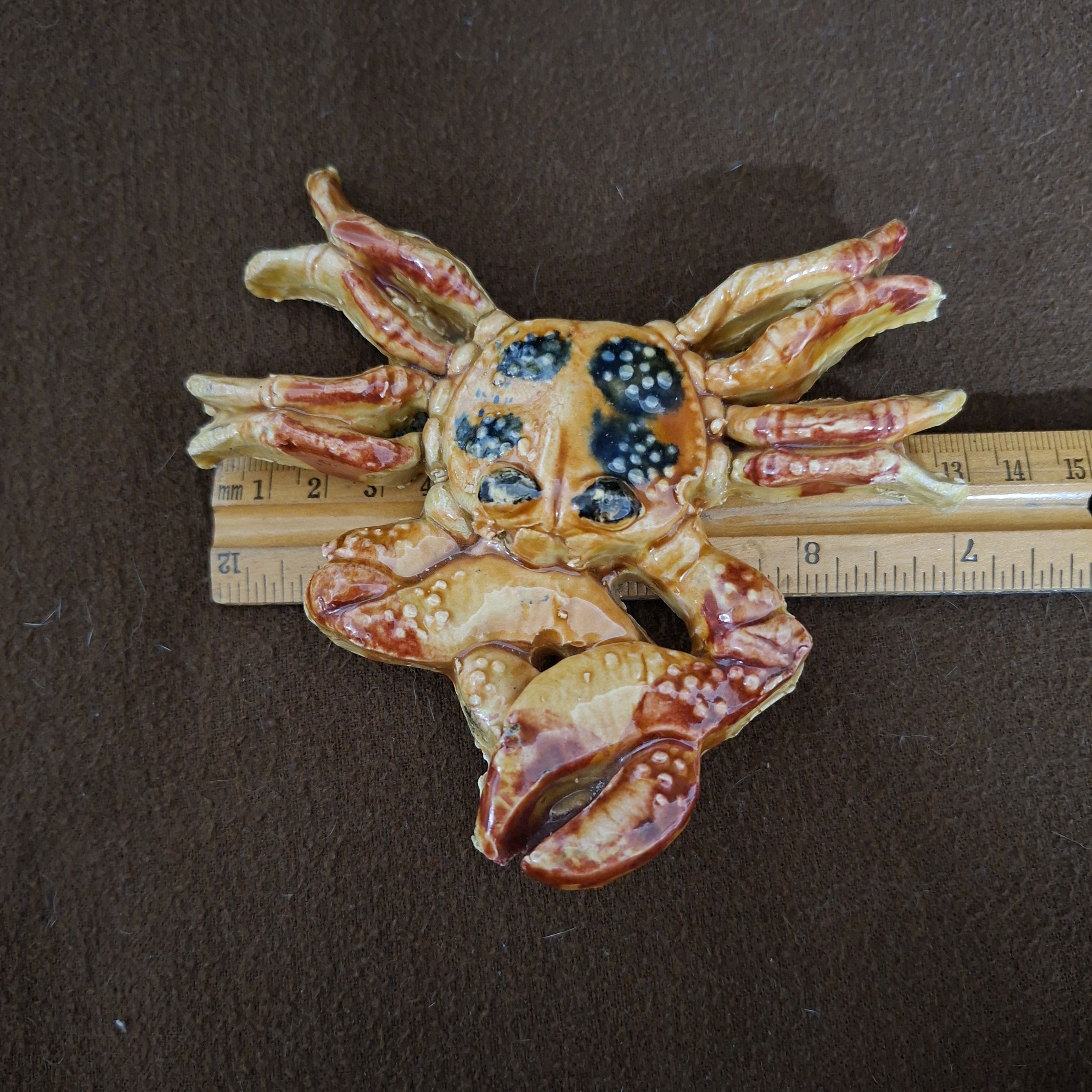
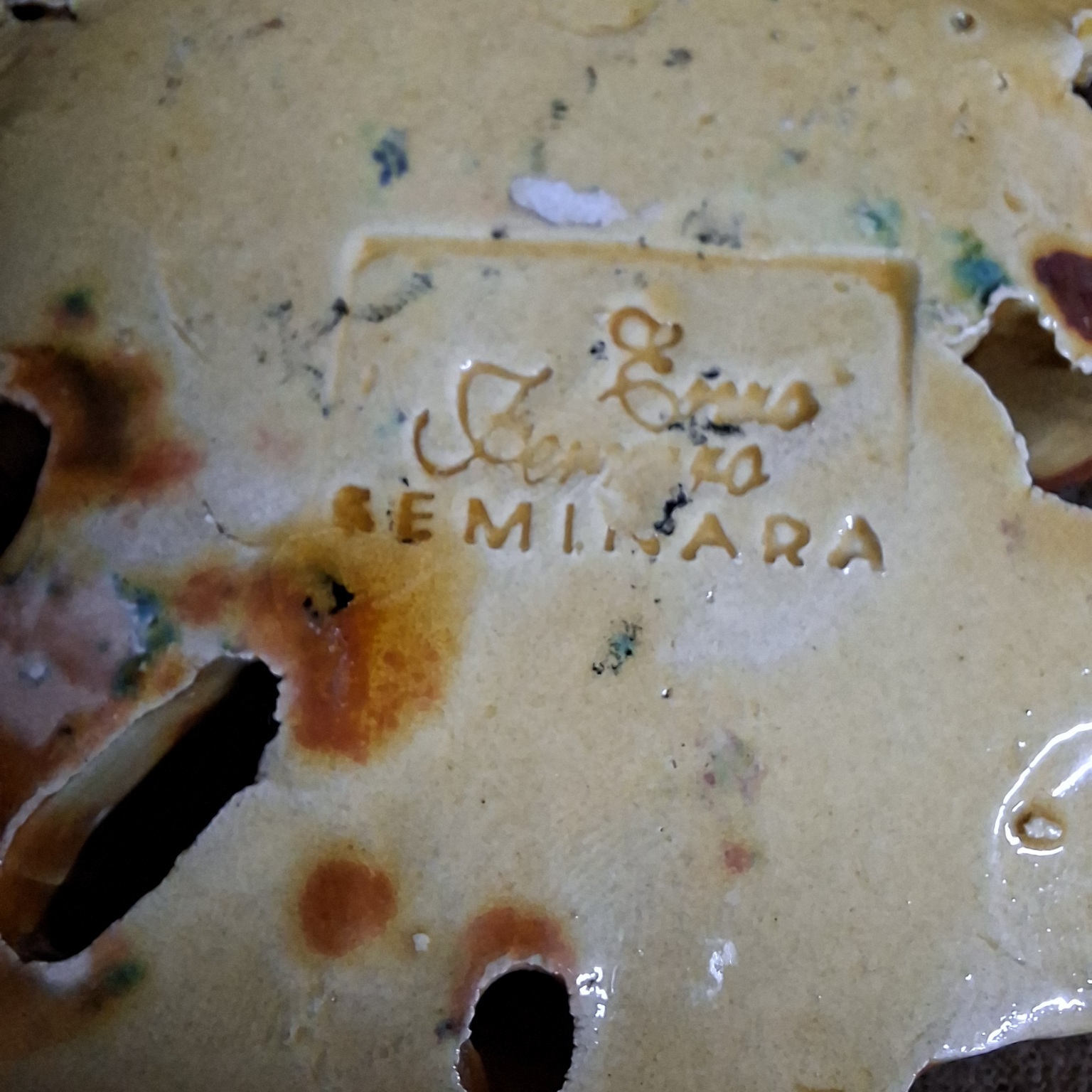

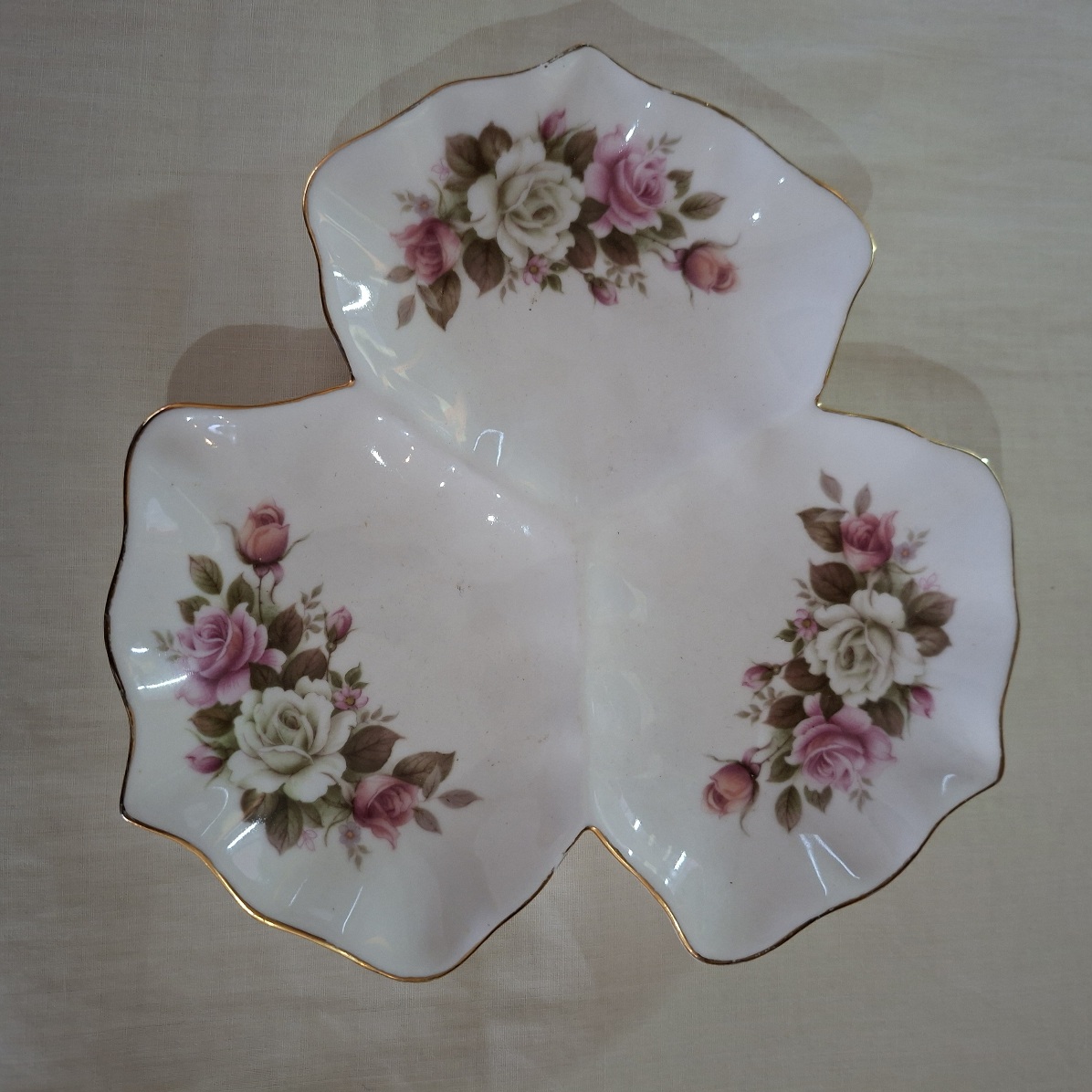
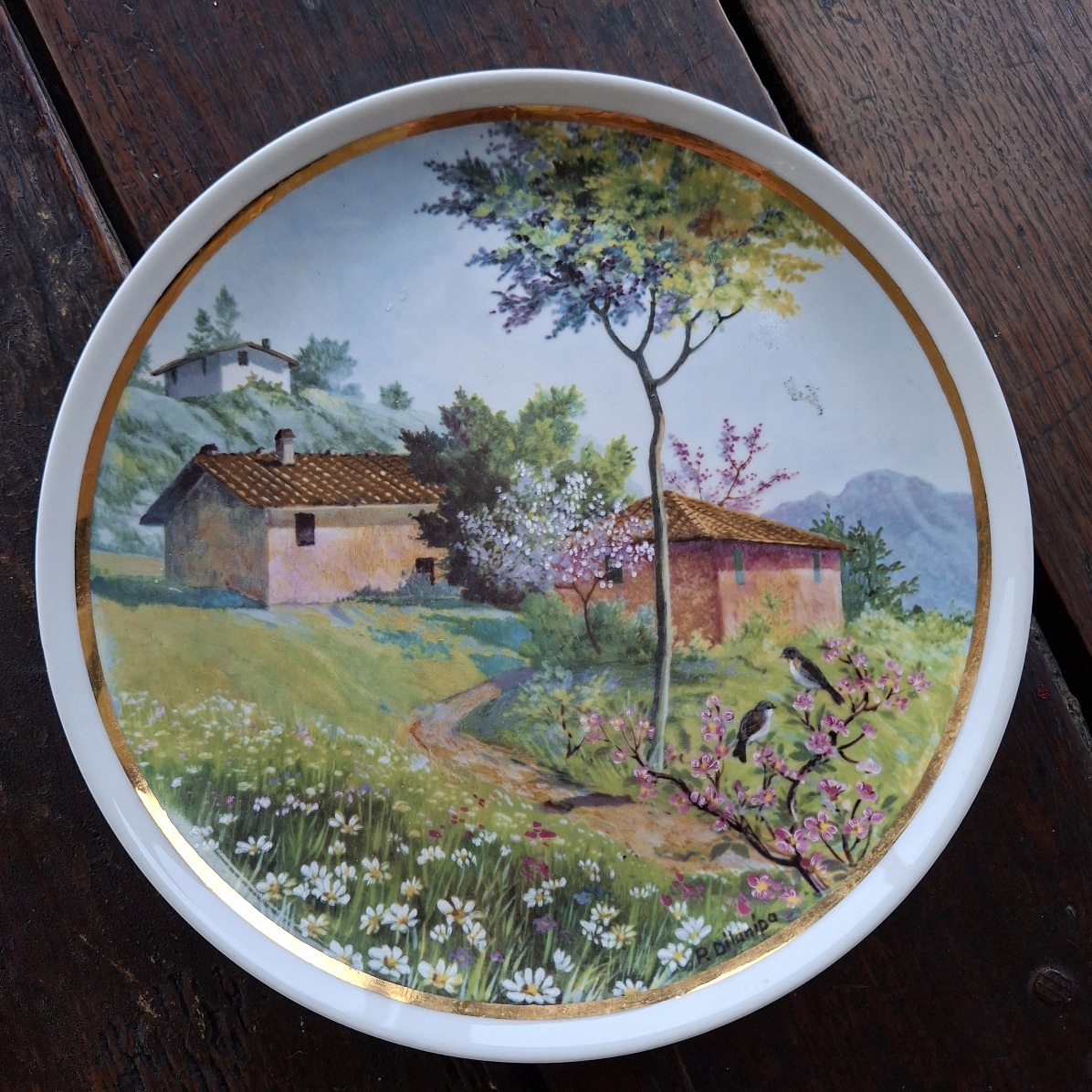
Inspired by folklore and tradition, colorful ceramics are the trademark of the Southern Italian town of Seminara. I recently had the opportunity to visit one of Seminara’s five remaining workshops and to meet with Enzo Ferraro, a Calabrian ceramicist with over a century of family history devoted to the craft.
A BRIEF HISTORY OF SEMINARA, CALABRIA
Seminara is located at the tip of the Italian boot about 30 kilometers (19 miles) north of Reggio Calabria between Palmi and Bagnara Calabra. Its noteworthy political past includes turn-of-the-15th-century battles associated with the Italian Wars and a 1535 visit by the Holy Roman Emperor Charles V, who entered Seminara in a triumphal cortege to celebrate his victory over the Ottomans in Tunis.
Historically, the town has also had a reputation for its fine olive oil and silk. By the end of the 16th century Seminara had a population of over 7,000, two and a half times that of today.
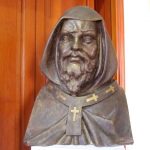
Barlaam of Seminara
Its two most distinguished citizens reflect southern Calabria’s Greek heritage, which endured long past the periods of Greater Greece and the Early Middle Ages when Orthodox Churches were established throughout the territory. Barlaam of Seminara (1290-1348) was an influential Byzantine-Greek clergyman and philosopher, and Leonzio Pilato (died 1364) was the first to translate Homer’s Iliad and Odyssey into Latin. His translations were used by the likes of Petrarca and Boccaccio.
Hand in hand with this florid intellectual life, Seminara has also embraced a healthy folkloristic tradition. Examples include the Giganti, dancing puppets of giant proportions that represent the union of the indigenous and Moorish peoples, and vivid local pottery steeped in popular lore.



Reviews
There are no reviews yet.